ZAGORO MOJA
 Ante Tešija

 Hrvoje Bubić
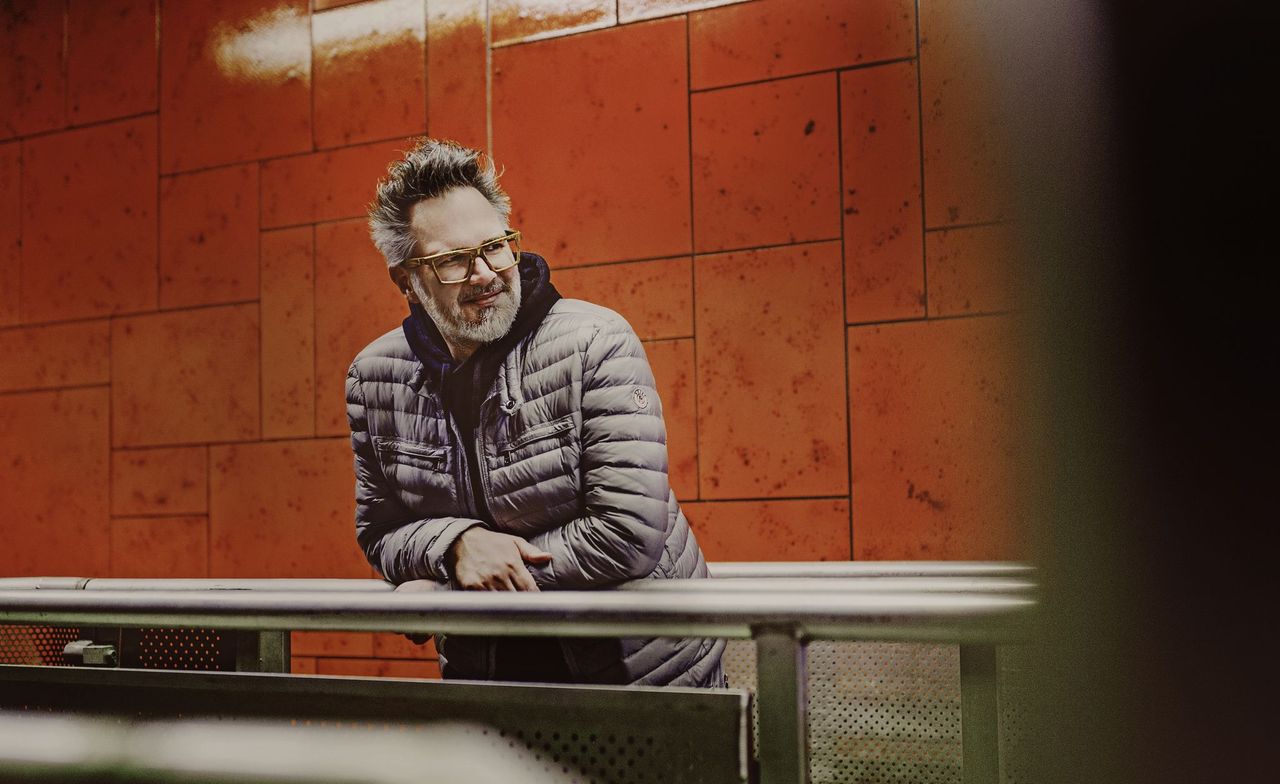
Markus Reuter je njemački glazbenik, za Solin Live govori o sebi, svojim projektima, i svome bendu, Stick Men
For the start, could you introduce yourself to our readers and say something about yourself.
I’m Markus Reuter. I was born in Lippstadt, Germany (1972) and I make my living as a musician, composer, instrument designer, teacher and producer. Over the years I’ve moved between different musical worlds — from loop-based ambient solo work to contemporary-classical composition to progressive and experimental rock — and I try to keep those worlds talking to one another rather than living in separate boxes.
You have been involved in music since you were little (piano, classical guitar, mandolin), so I would like you to tell us something about your musical beginnings.
I started very young: mandolin lessons first, then piano and then classical guitar. I was writing music as a child and through my teens I studied music history and theory alongside practical playing. Those early classical studies — and a stubborn curiosity about pop and progressive music — laid a foundation that later allowed me to move fairly naturally between composition, improvisation and sound-design. Around the early 1990s my path changed when I discovered touch-style instruments and the loop/texture approach that has stayed central to much of my work.
At the age of 18 you attended Guitar Craft, founded by Robert Fripp. Could you tell us what Guitar Craft is, and about the founder, Robert Fripp?
Guitar Craft was a long-running series of intensive seminars run by Robert Fripp. It combined very disciplined, methodical guitar technique (including Fripp’s New Standard Tuning and picking/posture ideas) with a wider curriculum that touched on personal development and collective ensemble work. Fripp — best known as the guitarist and creative engine behind King Crimson — developed Guitar Craft to change the way players relate to their instrument, to music and to practice itself. For many people, myself included, those courses were at least as much about learning how to practice and think musically as about learning a set of licks: they challenged habitual playing and introduced systems that can be used as creative tools. I attended Guitar Craft courses in the 1990s and the experience had a lasting influence on my technique, discipline and interest in process-based composition.
As a musician, you are involved in numerous projects such as a teacher, producer, record label owner, and as a solo musician or collaborator. Please tell us more about.
I wear a lot of hats because I enjoy different ways of making music: composing for ensembles and orchestra, improvising and performing solo with live looping, producing records for other artists, and teaching. A big part of my teaching work is the Touch Guitar Circle and a set of systematic exercises I developed (sometimes called “The Family”) to support touch-style technique and ergonomic playing — those courses keep me thinking about pedagogy as an ongoing creative practice rather than as a set-and-forget syllabus. I also design instruments (the U8 and U10 touch guitars) because the tools we use shape what we can imagine; building instruments was a natural step after years of working on extended-range tapping instruments. On the production/label side I’m involved with artist-run distribution and release structures (e.g., the Iapetus/Unsung constellation) to help get music out without losing creative control.
In addition to the above, there is the band Stick Men, which, along with you, consists of Tony Levin and Pat Mastelotto. How did you actually get into the band, and tell us more about the record label MoonJune Records?
Stick Men grew from a very simple, attractive idea: an ensemble built around stick/touch instruments and drums — Tony Levin and Pat Mastelotto at the centre. Michael Bernier was part of the original formation, and in 2010 I joined as his replacement; we then developed the trio’s repertoire and touring life together. The group is fun because it foregrounds texture, interlocking patterns and wide sonic ranges — and because it’s possible to borrow not only from progressive rock but from modern classical, improvisation and ambient practice in performance.
MoonJune Records is an independent label that’s become a kind of home for adventurous trio- and fusion-oriented projects in the progressive/avant world; they’ve released several of my trio and collaborative albums, and they’re generally very supportive of artists who blur stylistic lines rather than fitting them into a single lane.
As a guitarist, you are known for your specific style, so I was wondering what influenced your style the most?
My style is the result of several converging influences. Early classical training gave me a sense of structure and counterpoint; hearing players like Tony Levin (Chapman Stick) and the music of King Crimson pushed me toward touch-style instruments and the idea that one player can cover bass, chordal and melodic roles simultaneously. Guitar Craft and the disciplined practice it encourages shaped my technical approach; at the same time, composers and processes (permutation systems, Messiaen, Feldman’s sense of time) pushed me toward rule-based composition and “instant composition” with loops. I’ve also been drawn to ambient and textural practices — using effects, live looping and careful sound design to create immersive, process-driven music. Over time I moved from playing other makers’ Stick/Warr instruments to developing my own touch guitars so the instrument and the technique evolved together.
In addition to the above, what else do you do?
Outside of performing and composing I run workshops and longer mentoring for players and composers, produce and mix records for other artists, and continue to design and refine instruments. I’m also increasingly interested in longer-form composition for ensembles and orchestra (work like Todmorden 513 marks that turn toward larger-scale deterministic compositional structures), and in methods for teaching creative thinking and habit-forming practice routines for musicians.
Finally, what are your plans for the future? What would you say to our readers?
I try to keep plans flexible: there are always more records to make, pieces to compose and students to work with. In the near term I’m continuing to develop new compositions, to tour selectively with Stick Men and other projects, and to keep the instrument designs evolving. If there’s a message to readers it’s this: stay curious, build the habits that feed your curiosity, and don’t be afraid to borrow structural ideas from other disciplines. Rules and constraints can be enormous creative engines — use them to make something that couldn’t exist without them.
— Za početak, možete li se predstaviti našim čitateljima i reći nešto o sebi?
Ja sam Markus Reuter. Rođen sam u Lippstadtu u Njemačkoj (1972.), a zarađujem za život kao glazbenik, skladatelj, dizajner instrumenata, učitelj i producent. Tijekom godina kretao sam se između različitih glazbenih svjetova — od ambijentalnog solo rada temeljenog na loopovima, preko suvremene klasične kompozicije, do progresivnog i eksperimentalnog rocka — i nastojim te svjetove držati u dijalogu, umjesto da ih zatvaram u odvojene kutije.
— Bavite se glazbom odmalena (klavir, klasična gitara, mandolina), pa bih vas zamolio da nam nešto kažete o svojim glazbenim počecima.
Počeo sam vrlo mlad: prvo lekcije iz mandoline, zatim klavir pa klasična gitara. Još kao dijete sam skladao, a tijekom tinejdžerskih godina paralelno sam proučavao glazbenu povijest i teoriju uz praktično sviranje. Ta rana klasična podloga — i tvrdoglava znatiželja prema pop i progresivnoj glazbi — stvorila je temelje koji su mi kasnije omogućili prilično prirodan prijelaz između kompozicije, improvizacije i oblikovanja zvuka. Početkom 1990-ih moj se put promijenio kad sam otkrio instrumente za sviranje dodirom i pristup loop/teksturi, koji je ostao središnji u velikom dijelu mog rada.
— Sa 18 godina pohađali ste Guitar Craft, koji je osnovao Robert Fripp. Možete li nam reći što je Guitar Craft i nešto o njegovom osnivaču Robertu Frippu?
Guitar Craft bio je dugogodišnji niz intenzivnih seminara koje je vodio Robert Fripp. Kombinirao je vrlo discipliniranu, metodičnu gitarističku tehniku (uključujući Frippovo Novo standardno ugađanje i ideje o trzaju/sjedenju) sa širim kurikulumom koji se doticao osobnog razvoja i zajedničkog ansamblskog rada. Fripp — najpoznatiji kao gitarist i kreativni pokretač King Crimsona (rock bend, op.prev.) — razvio je Guitar Craft kako bi promijenio način na koji svirači pristupaju svom instrumentu, glazbi i samoj praksi. Za mnoge, uključujući i mene, ti su tečajevi bili barem jednako toliko o tome kako učiti i razmišljati glazbeno, koliko i o usvajanju fraza: izazivali su uobičajene obrasce sviranja i uvodili sustave koji se mogu koristiti kao kreativni alati. Pohađao sam Guitar Craft tečajeve 1990-ih i iskustvo je ostavilo trajan utjecaj na moju tehniku, disciplinu i interes za procesno utemeljenu kompoziciju.
— Kao glazbenik sudjelujete u brojnim projektima kao učitelj, producent, vlasnik diskografske kuće, te kao solo izvođač ili suradnik. Možete li nam reći nešto više?
Nosim mnogo „šešira“ (odgovornosti, op.prev.) jer uživam u različitim načinima stvaranja glazbe: skladanju za ansamble i orkestre, improvizaciji i solo nastupima s live loopingom, produciranju albuma za druge umjetnike te poučavanju. Velik dio mog pedagoškog rada je Touch Guitar Circle i skup sustavnih vježbi koje sam razvio (ponekad nazivanih „Obitelj“) za podršku tehnici sviranja dodirom i ergonomiji — ti tečajevi me drže u stalnom promišljanju pedagogije kao kreativne prakse, a ne kao gotovog i zauvijek zadanog programa. Također dizajniram instrumente (U8 i U10 touch gitare (vrste gitare, op.prev.)) jer alati koje koristimo oblikuju ono što možemo zamisliti; nakon godina rada na proširenim tapping instrumentima, gradnja instrumenata bila je prirodan korak. Što se tiče produkcije i izdavaštva, uključujem se u umjetnički vođene distribucijske i izdavačke strukture (npr. Iapetus/Unsung constellation) kako bih pomogao da glazba dođe do publike bez gubitka kreativne kontrole.
— Osim toga, tu je i bend Stick Men, koji, uz vas, čine Tony Levin i Pat Mastelotto. Kako ste zapravo ušli u bend i recite nam nešto o izdavačkoj kući MoonJune Records?
Stick Men su nastali iz vrlo jednostavne, privlačne ideje: ansambl izgrađen oko stick/touch instrumenata i bubnjeva — s Tonyjem Levinom i Patom Mastelottom u središtu. Michael Bernier bio je dio izvorne postave, a 2010. sam mu se pridružio kao zamjena; tada smo zajedno razvili repertoar i koncertni život trija. Grupa je zabavna jer stavlja u prvi plan teksturu, isprepletene obrasce i široke zvučne registre — i jer u izvedbi možemo posuditi ne samo iz progresivnog rocka, već i iz suvremene klasike, improvizacije i ambijentalne prakse.
MoonJune Records je nezavisna izdavačka kuća koja je postala svojevrsni dom za avangardne i fusion orijentirane projekte u progresivnom svijetu; izdali su nekoliko mojih trija i suradničkih albuma, i općenito su vrlo podržavajući prema umjetnicima koji brišu stilske granice umjesto da se uklapaju u jednu ladicu.
— Kao gitarist poznati ste po svom specifičnom stilu, pa me zanima što je najviše utjecalo na vaš stil?
Moj stil rezultat je nekoliko ukrštanja utjecaja. Rana klasična obuka dala mi je osjećaj strukture i kontrapunkta; slušanje glazbenika poput Tonyja Levina (Chapman Stick (njegov glazbeni instrument; op.prev)) i glazbe King Crimsona gurnulo me prema instrumentima na dodir i ideji da jedan svirač može istovremeno pokrivati bas, akorde i melodiju. Guitar Craft i disciplina koju potiče oblikovali su moj tehnički pristup; istovremeno, skladatelji i procesi (permutacijski sustavi (matematički princip ;op.prev) , Messiaen, (skladatelj; op.prev.) Feldmanov osjećaj za vrijeme (psihološka metoda; op.prev)) usmjerili su me prema kompoziciji zasnovanoj na pravilima i „instant kompoziciji“ pomoću loopova. Također me privlačila ambijentalna i teksturalna praksa — korištenje efekata, live loopinga i pažljivog oblikovanja zvuka za stvaranje uronjujuće, procesno vođene glazbe. S vremenom sam prešao s korištenja instrumenata drugih proizvođača (Stick/Warr) na razvijanje vlastitih touch gitara, tako da su se instrument i tehnika razvijali zajedno.
— Osim svega navedenog, čime se još bavite?
Osim nastupa i skladanja, vodim radionice i duže mentorstvo za svirače i skladatelje, produciram i miksam albume za druge umjetnike te nastavim dizajnirati i usavršavati instrumente. Također me sve više zanimaju dugotrajnije skladbe za ansamble i orkestre (djela poput Todmorden 513 označavaju taj zaokret prema većim, determinističkim kompozicijskim strukturama), kao i metode za poučavanje kreativnog razmišljanja i stvaranja navika u vježbanju za glazbenike.
— Za kraj, koji su vaši planovi za budućnost? Što biste poručili našim čitateljima?
Nastojim planove držati fleksibilnima: uvijek postoje novi albumi za napraviti, skladbe za napisati i studenti s kojima treba raditi. U bližoj budućnosti nastavljam razvijati nove kompozicije, selektivno nastupati sa Stick Men i drugim projektima, te nastaviti razvijati dizajn instrumenata. Ako postoji poruka za čitatelje, onda je to ova: ostanite znatiželjni, izgradite navike koje hrane vašu znatiželju i nemojte se bojati posuditi strukturne ideje iz drugih disciplina. Pravila i ograničenja mogu biti golemi pokretači kreativnosti — upotrijebite ih da stvorite nešto što bez njih ne bi moglo postojati.
Ante Tešija
 Neven Gabrić
 Katarina Jakelić